A Practical Review of the Camping Numbers 3D SVG
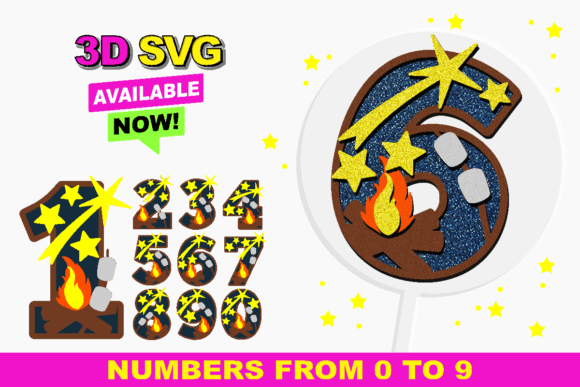
When a new design lands on my desktop, my first thought is always about its practical life. How will it translate from a digital file to a tangible, stitched product? With the Camping Numbers 3D SVG, the immediate impression is one of rustic charm and playful dimension. It’s not just a set of digits; it’s a thematic accessory that immediately suggests projects like a personalized camp blanket, a custom family reunion sweatshirt, or a boutique’s line of adventure-themed merchandise.
The Mood and Where It Naturally Belongs
The design evokes a sense of casual adventure. The 3D styling gives the numbers a friendly, almost hand-carved personality, perfect for projects that aim to feel cozy and personal rather than slick and corporate. I immediately picture it on durable, textured fabrics. Think canvas tote bags for a hiking club, embroidered patches for a child’s backpack, or a simple, striking numeral on the corner of a wool camp blanket. It would also shine as a personalized gift—embroidering a “2025” on a holiday kitchen towel for a camping enthusiast feels like a natural, thoughtful fit.
Performance in Real Embroidery Situations
Let’s walk through a real scenario: preparing a custom embroidered tote bag for a small shop. You want a batch with individual family sizes or cabin numbers. The clear, bold shapes of these numbers suggest they’ll stitch out with excellent clarity, especially using a solid satin stitch or a crisp fill stitch for the main bodies. On a sturdy tote, the design would hold its own, adding value through that handmade, personalized touch. For client projects like baby items, a single, small numeral on a knit blanket could be incredibly sweet, but you’d need to consider scale carefully.
This embroidery file is a strong candidate for boosting product value in niches like Etsy shops selling personalized apparel or craft fair vendors offering custom caps and aprons. On a sweatshirt, a large, centered number becomes a statement. As a digital embroidery file, its utility for creating printable mockups or previews for customer approval is straightforward, helping build buyer engagement and trust before the needle even starts.
Where Caution is Needed: Fabric and Scale
While the bold shapes are a plus, the 3D effect often implies layered stitching or detail work. On very thin or stretchy fabrics—like a lightweight t-shirt—you’d need to be meticulous with your stabilizer choice to prevent puckering, especially in denser stitch areas. Embroidering on curved surfaces like caps requires testing to ensure the perspective of the 3D look remains convincing from all angles.
Small hoop sizes could be a limitation if you’re trying to stitch a full, large number with intricate detailing. Always test the specific size you intend to use on scrap fabric first. Dark fabric backgrounds demand thoughtful thread color contrast; a light, creamy thread might make these camping numbers pop beautifully. For products destined for frequent washing, like kitchen towels, ensuring the stitch density is secure without being overly thick is a key step.
Impact on Your Craft Business and Client Projects
From a professional standpoint, designs like this affect more than just aesthetics. They influence brand consistency for a small shop specializing in rustic goods, enhance the giftability of personalized items, and add a layer of recognition to your handmade products. A well-executed embroidery project using this file feels professional because it’s thematic and crisp, not generic.
For commercial embroidery, such as producing a line of numbered merchandise for a boutique, it offers a cohesive design asset. However, a crucial, practical note: always confirm the specific licensing terms of the file before selling finished items or using it in commercial projects. The provided information mentions it’s easy to cut on certain software, but for machine embroidery design use, you must verify compatibility with your specific system and any usage rights.
Essential Designer Notes Before You Hoop
My routine before committing a design to a final project is simple but vital. For the Camping Numbers 3D SVG, I would emphatically advise:
- Stitch it out on scrap fabric identical to your final project material. This reveals how the fabric texture interacts with the design.
- Review it in both black and white digital mockups to judge its form independently of color.
- Compare how it looks on a light and a dark background to plan your thread palette.
- Inspect the small details and corners in your test stitch; these areas define the quality of the finished product.
- Confirm the hoop size needed for your intended application—don’t assume.
- Check whether the design’s style, once stitched, aligns with the mood of your project, be it a playful baby embroidery or a robust apron for a craft business.
Ultimately, the success of any embroidery project hinges on this practical forethought. The Camping Numbers 3D SVG presents a charming, thematic option that, with careful testing and application, can elevate personalized gifts, custom apparel, and small shop products. It’s a design that asks you to consider its context—not just to hit the start button. That’s the mark of a useful design asset for any maker, from the hobbyist to the creative entrepreneur.